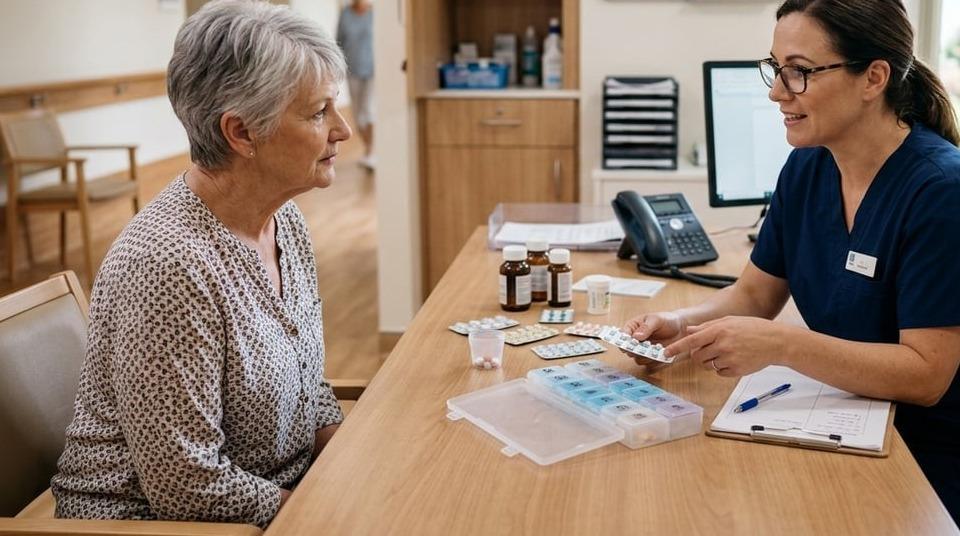
Leaving the hospital after a brain injury or spinal cord injury often means leaving with a long list of prescriptions. Some are for pain, some for sleep or mood, and some to prevent complications. Each one has a job, but together they can be hard to keep straight, and the person taking them is also trying to relearn how to walk, talk, think clearly, or manage daily tasks.
Safe medication management is the careful, organized handling of all those medicines during rehabilitation. At NeuLife Rehabilitation of Louisiana in Hammond, it's part of a larger plan that includes nursing care, case management, and therapy, all aimed at helping each person regain as much independence as possible.
A brain injury can change how a person thinks, remembers, and reacts, and it can also change how the body responds to medicine. A dose that is appropriate for one person may cause drowsiness, dizziness, or confusion in another. A spinal cord injury brings its own concerns, including changes in blood pressure control, bowel and bladder function, and muscle tone, all of which can affect how medicines are tolerated.
There's also the day-to-day side. Memory problems, slower thinking, limited hand function, or trouble with vision can make it hard to take the right medicine at the right time. Missed doses, doubled doses, and mix-ups between similar-looking pills are real risks. When someone has prescriptions from more than one doctor, the chance of interactions goes up as well.
Side effects can also get in the way of rehabilitation itself. A person who is too sleepy for therapy or too dizzy to practice standing may have more difficulty participating in rehabilitation. Good management looks for the balance point where medicines help without holding someone back.
Every plan is different and is set by the person's physician, but rehabilitation teams often see medicines in a few broad groups:
Which medicines are used, and at what dose, is always a decision for the prescribing physician. This article describes the general picture only, and anyone with questions about their own prescriptions should talk with their doctor or the NeuLife clinical team.
Medication safety in rehab is a team effort. Nurses give and track medicines and are often the first to notice a new side effect. Therapists see how a person moves, speaks, and thinks during sessions, so they can tell when someone seems unusually tired, unsteady, or foggy. Case managers help keep information moving between the rehabilitation team, outside physicians, and the people who will support the patient after discharge.
When something seems off, the team can bring it to the prescribing physician, who decides whether a dose, timing, or medicine should change. Feedback from daily therapy gives the physician a better view of how a medicine is affecting real activity, such as walking, dressing, or following a conversation.
In practice, safe medication management in rehab usually includes:
Part of rehabilitation is getting ready for life after discharge, and that includes handling medicines with as much independence as possible. Depending on the person's abilities, that might mean learning what each medicine is for, using a pill organizer, setting up reminders, or knowing which side effects to report.
Occupational therapy and cognitive therapy can help here. Occupational therapy works on the hands-on parts, like opening containers and filling a weekly organizer. Cognitive therapy works on memory, attention, and planning, the thinking skills a person needs to follow a schedule. When someone will need help at home, a short conversation with the people who will be providing that help can make the transition safer.
NeuLife Rehabilitation of Louisiana is a CARF-accredited rehabilitation facility at 41238 Adams Rd, Hammond, LA 70403. CARF, the Commission on Accreditation of Rehabilitation Facilities, reviews programs against its standards for care and operations, and you can read more on NeuLife's accreditations page. NeuLife is also one of the largest residential post-acute rehab programs in the Southeast.
The program serves people with brain injuries, spinal cord injuries, and other challenging diagnoses. Care is built around individualized plans and can include physical therapy, occupational therapy, speech therapy, cognitive therapy, recreational therapy, nursing care, case management, and community reintegration. Medication safety is handled within that same plan instead of as a separate task.
Learn more about NeuLife's brain injury rehabilitation and spinal cord injury rehabilitation programs.
Well-managed medicines don't do the work of recovery on their own, but they can clear some obstacles out of the way. With symptoms under better control and fewer side effects, people are often able to work toward goals such as:
Progress looks different for everyone, and no medicine or program can promise a specific result. What a careful plan can do is give each person a better chance to make the most of rehabilitation.
If you're looking into rehabilitation after a brain or spinal cord injury and want to know how medicines will be handled, the NeuLife team in Hammond can walk you through it. Safe medication management is one part of a plan built around each person's recovery, from the first day of admission through the move home.
Call NeuLife Rehabilitation of Louisiana at 844-393-5433, visit neuliferehabla.com, or schedule a tour of the facility at 41238 Adams Rd, Hammond, LA 70403.
Q: What kinds of medicines are used in brain and spinal cord injury rehab?
A: It depends on the person. Common groups include pain relief, medicines for spasticity, seizure prevention, sleep and mood medicines, and bowel and bladder medicines. The prescribing physician decides what is appropriate for each patient.
Q: How can medication management affect recovery?
A: When symptoms like pain or muscle tightness are better controlled and side effects are kept in check, people are often able to take a fuller part in therapy. Results vary from person to person.
Q: What should I do if I notice a side effect?
A: Tell your nurse, physician, or the NeuLife clinical team as soon as possible. Don't stop or change a medicine on your own; the prescribing physician should decide on any changes.
Q: Will patients learn to manage their own medicines before discharge?
A: When it's realistic for the person, therapy can include practice with pill organizers, reminders, and understanding what each medicine is for. The team plans this around each person's abilities and the support they'll have at home.
NeuLife offers residential rehab with care 24 hours a day at our CARF-accredited facility in Hammond. Families from across Louisiana can learn more about our residential rehabilitation program or see the areas we serve.
Medical disclaimer: This article is for informational purposes only and does not constitute medical advice. Always consult a qualified healthcare provider about diagnosis, treatment, and medication decisions.


We know that choosing the next step in your recovery from a Brain Injury or Spinal Cord Injury is complex. Together, we can help you take the next step.
Contact us with any questions today.