The journey toward recovery after a spinal cord injury (SCI) can be both challenging and transformative, especially in the intensive first months. During this crucial period, patients and their families often find themselves navigating uncharted waters, making it imperative to have an understanding of what lies ahead. By knowing what to expect, it can provide comfort and clarity in this overwhelming situation, turning anxiety into actionable steps for recovery.
Initially, post-acute SCI care focuses on stabilizing the patient’s condition, ensuring medical needs are met, and maximizing their functional abilities. This care typically involves a multidisciplinary team of specialists, including physical therapists, occupational therapists, rehabilitation nurses, and social workers. As a patient, you may experience a variety of therapies designed to address not only your physical needs but also the cognitive and emotional aspects of recovery, creating a truly holistic approach to rehabilitation. For instance, while physical therapy works on muscle strength and mobility, cognitive therapy can help address any potential challenges with memory or problem-solving that may arise due to the injury.
Family members play an integral role during this period, often facing significant adjustment challenges as well. The support system surrounding a patient can greatly influence recovery outcomes. Effective communication within the family can help alleviate feelings of frustration and confusion, fostering an environment of understanding and collaboration. Specific family counseling sessions can provide strategies to cope with the emotional upheaval often experienced, making the transition smoother for both the patient and their loved ones. Remember that while the path may feel daunting, this time is filled with opportunities for building strengths and resilience that will benefit everyone involved.
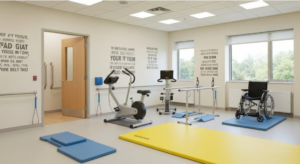
A spinal cord injury often leads to profound changes in everyday life and independence. The extent of these changes varies significantly, depending on the level and completeness of the injury. For many patients, once simple activities such as walking, dressing, or even driving can turn into daunting tasks that may now require assistance or adaptation. For example, a person with a thoracic spine injury may need adaptive equipment to achieve sitting balance and perform tasks that require upper body strength, while those with lower limb mobility issues may rely on wheelchairs or scooters for mobility.
This adjustment can be emotionally taxing, as many patients grapple with a sense of loss related to their previous abilities. It’s normal to feel a range of emotions, including sadness, frustration, or even anger. Understanding that these feelings are part of the healing process can validate the emotional experiences of both the patient and their family. Engaging with support groups can be extraordinarily beneficial, as sharing stories and hearing from others who have faced similar challenges can provide critical perspective and encouragement.
Moreover, patients are encouraged to actively participate in their care plans, which fosters a sense of control and promotes independence. Establishing achievable, specific goals—such as mastering daily tasks with adaptive devices—can enhance self-confidence and motivation during rehabilitation. For instance, learning to use specialized utensils or dressing aids can not only help in regaining daily living skills but also instill a sense of accomplishment that fuels further progress.
The recovery journey after a spinal cord injury encompasses several phases that both challenge and empower patients. Initially, there might be a focus on physical recovery, with goals such as relearning how to sit up or regain strength in limbs. Physical therapy will often include exercises tailored to the specific abilities and limitations of the patient, with therapists constantly modifying regimens based on progress. This adaptive approach helps maintain motivation while fostering a deeper commitment to recovery, as patients can visually track improvement over time.
Cognitively, the journey may include rehabilitation aimed at addressing how the injury may alter thinking patterns or emotional responses. Patients may face challenges like cognitive fatigue or emotional swings; it is essential to recognize these symptoms as valid aspects of the recovery process and engage with mental health resources. Support activities such as mindfulness exercises or therapeutic recreation can be integrated into treatment plans to assist in emotional and cognitive healing.
Each individual’s path is unique, and while therapies may yield different results, the overall aim remains constant: enhancing quality of life and paving the way for greater independence. Finding support through community resources, including peer mentorship programs and outpatient services, can significantly ease the burden of emotional healing, providing comfort and connection that uplifts not just the patient but their entire network of family and friends as well.
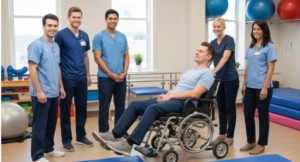
At NeuLife Rehabilitation of Louisiana, we place a strong emphasis on comprehensive, individualized rehabilitation programs for spinal cord injury patients. Here, we understand that each patient’s journey is unique. Utilizing a collaborative, patient-centered approach, our team works diligently to assess each patient’s specific needs, strengths, and goals, which allows for a tailored rehabilitation experience.
Our services encompass a wide range of therapeutic avenues, including, but not limited to:
This tailored approach ensures that your recovery journey aligns with your personal goals, leading to more meaningful engagement during your rehabilitation. By incorporating innovative therapies and technology, combined with traditional methods, we aim to provide a dynamic rehabilitation experience that maximizes recovery potential.
NeuLife Rehabilitation is proud to be equipped with CARF-accredited programs that emphasize clinical excellence and personalized care. Our team is deeply committed to helping patients recover both physically and emotionally, promoting community reintegration through comprehensive support systems.
We constantly strive to ensure that each care plan is as unique as the patient it serves. Our multi-disciplinary staff employs evidence-based techniques alongside compassionate support, allowing patients to work toward realistic recovery goals at their own pace. For instance, we often utilize cutting-edge rehabilitation technologies, such as robotic exoskeletons or virtual reality systems, that allow patients to experience and practice movements in a safe environment, thus enhancing their recovery process.
Our dedication to community reintegration facilitates a smoother transition into daily life. We not only focus on the clinical aspects of rehabilitation but also emphasize the importance of social connections and community engagement. Workshops and group activities are designed to foster a sense of belonging and to prepare patients for social interactions outside the rehabilitation setting. This holistic approach to rehabilitation sets NeuLife apart as a leader in post-acute care, creating pathways for meaningful engagement and empowerment for every patient.

Achieving independence is a fundamental goal for spinal cord injury rehabilitation. The journey towards independence is multifaceted and requires the development of practical skills alongside emotional resilience. Here are some common objectives our rehabilitation programs aim to foster:
These goals not only reflect personal aspirations but also encourage a sense of purpose and fulfillment in daily life. As patients work towards these independence goals, we actively track progress, celebrating every achievement, no matter how small, which contributes to the overall journey towards independence. Reinforcing these accomplishments through consistent feedback can significantly boost morale and motivation, forming a toolkit for navigating life after SCI.
As you or your loved one embarks on this recovery journey, it’s vital to embrace hope and recognize the support available at NeuLife Rehabilitation. Our dedicated team is here to guide you every step of the way, ensuring that progress is celebrated and that every small victory is acknowledged as a significant step toward recovery.
The early months of post-acute SCI care can be intense and, at times, overwhelming. However, remember that each day provides new opportunities for growth and independence. By setting achievable goals, receiving comprehensive support, and actively participating in our tailored rehabilitation programs, you can build a fulfilling path forward that aligns with your personal aspirations.
We invite you to reach out to us at NeuLife Rehabilitation. Schedule a tour today to learn how we can support your journey toward recovery, and discover more about how our programs can transform your rehabilitation experience.
Q: What should I expect during the first month of rehabilitation?
A: The first month typically involves assessments, setting therapy goals, and beginning physical and occupational therapy to help establish a personalized recovery plan.
Q: How can I support my loved one during their recovery?
A: Offering consistent emotional support, participating in therapy sessions, and maintaining open communication can significantly help in alleviating stress and promoting healing.
Q: What types of therapies are available for SCI patients at NeuLife?
A: NeuLife offers a variety of therapies including physical therapy for mobility, occupational therapy for skills, cognitive therapy for mental health, and recreational therapy for social engagement.
Q: What are some long-term goals of SCI rehabilitation?
A: Long-term goals often include improving overall mobility, fostering independence in daily tasks, and facilitating successful reintegration into community life, encompassing emotional wellbeing.
NeuLife treats traumatic and non-traumatic spinal cord injuries at our facility in Hammond. Families from across Louisiana can learn more about our spinal cord injury rehabilitation program or see the areas we serve.

We know that choosing the next step in your recovery from a Brain Injury or Spinal Cord Injury is complex. Together, we can help you take the next step.
Contact us with any questions today.