Discover how recreational activities in therapy can help restore joy, confidence, and independence for those dealing with brain injuries and spinal cord injuries.
Recovering from a traumatic brain injury or a spinal cord injury is a profound journey that often calls for more than just clinical routines and structured therapy sessions. At NeuLife Rehabilitation of Louisiana, we believe that the inclusion of recreational activities in therapeutic regimens can play a crucial role in restoring joy and confidence to our patients. Engaging in fulfilling recreational activities not only aids in physical recovery but also nurtures emotional healing and cognitive development.
Recreational therapy utilizes a variety of activities—such as sports, music, art, and games—to foster social interaction, enhance cognitive function, and improve motor skills. For instance, a patient may find solace in music therapy, where they can express emotions and experiences that are otherwise difficult to articulate. These activities can serve as a means of self-expression, offering patients a way to connect with their interests and passions, which is often lost after a severe injury. This therapeutic approach can rekindle the light of joy in patients' lives while allowing them to rebuild their sense of self. Additionally, studies have shown that participation in recreational activities can lead to improved mood and decreased levels of anxiety and depression among patients.
Patients may initially struggle to engage in these activities, either due to physical limitations or emotional barriers caused by their experiences. A compassionate therapeutic environment that includes the patient's family and support network can make a significant difference in overcoming these challenges. At NeuLife, each program is tailored to meet the individual needs and abilities of our patients, ensuring that everyone has the opportunity to experience joy through recreation. By fostering an inclusive atmosphere where emotional and physical barriers are addressed, we enable our patients to re-embrace activities that bring them fulfillment.
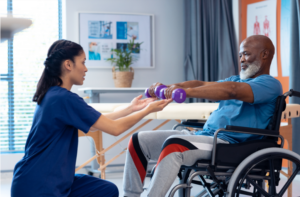
Both traumatic brain injuries (TBI) and spinal cord injuries (SCI) can drastically affect daily life, altering not only physical capabilities but also cognitive functions and emotional stability. Patients may find themselves grappling with challenges like diminished movement, difficulties in communication, and struggles with psychological well-being. It can be disheartening to navigate a world that feels foreign after an injury. Everyday tasks such as dressing, eating, or even engaging in conversations become monumental hurdles that require tremendous adaptation.
Emotional responses to these changes can include frustration, anxiety, and a sense of loss. Many individuals struggle with decreased motivation and self-esteem as they adjust to their new normal. For example, a person who previously excelled in their career may feel disheartened when they can no longer fulfill work-related tasks. It is important to understand that these feelings are valid and common among those recovering from such significant injuries.
The journey to recovery from a TBI or SCI is unique to each individual and can be both challenging and rewarding. It often begins with a comprehensive assessment by a team of rehabilitation specialists, including physical and occupational therapists, speech-language pathologists, and recreational therapists. This initial evaluation involves understanding the patient's specific needs, abilities, and goals, which will guide the development of a tailored rehabilitation plan. For instance, a patient who was previously active in sports may benefit from a focus on adaptive sports programs.
As the recovery process unfolds, patients will typically engage in various therapies focused on physical, cognitive, and emotional healing. Physical therapy works on improving mobility and strength through exercises tailored to their current state, while occupational therapy emphasizes regaining independence in daily activities like self-care and mobility. For example, therapists might work with patients on techniques to dress themselves or use assistive devices effectively. Speech therapy assists with communication skills, helping patients articulate their thoughts and feelings, while cognitive therapy helps address issues related to memory and attention.
Recreational therapy is seamlessly integrated within this multidisciplinary approach, often employing activities that are meaningful to the patient. Activities such as adaptive sports—where individuals can participate in modified versions of traditional sports—art therapy, or music therapy encourage patients to connect with their interests and passions, which is vital for emotional well-being. This integration fosters not only physical recovery but also boosts motivation and self-esteem through engagement in enjoyable pursuits.
Throughout this journey, each victory—no matter how small—should be celebrated. Building confidence through enjoyable activities can create a positive feedback loop, encouraging patients to set and achieve increasingly ambitious goals that reflect their personal aspirations, whether they are artistic, athletic, or social.
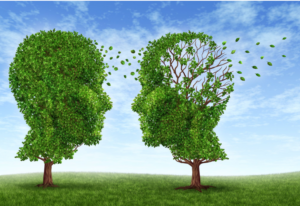
At NeuLife Rehabilitation, our commitment to individualized care means that we design each therapy program around the unique needs of our patients. We prioritize a holistic approach that not only targets physical rehab needs but also emphasizes emotional and social recovery through recreational activities. Each patient's interests are considered during the program design phase, ensuring engagement and investment in their recovery.
For instance, our recreational therapy program includes tailored activities that promote psychosocial engagement and physical rehab, recognizing that mental and emotional wellness is as crucial as physical capability. Patience and encouragement from our skilled therapists help patients gradually rebuild the confidence they may have lost during their recovery process. These sessions often include activities such as:
By allowing patients to integrate recreation into their rehabilitation journey, we aim to cultivate a supportive and enriching environment, making strides towards independence and joyful living.
As patients progress through their rehabilitation journey, setting achievable goals is vital for maintaining motivation and tracking progress. Here are some recovery goals that individuals can work toward that involve recreational activities:
Each of these goals represents a stepping stone in the overall recovery path, emphasizing the importance of integrating joy and satisfaction back into the lives of our patients. Celebrating every small win provides positive reinforcement and fosters a growth mindset, further propelling individuals towards their personal recovery goals.
Embarking on the path to recovery after a brain or spinal cord injury can feel overwhelming, but you don't have to navigate it alone. At NeuLife Rehabilitation of Louisiana, we are committed to providing compassionate care and innovative therapies that restore joy and confidence in your life.
Experience the profound impact of recreational activities through our individualized rehabilitation programs designed to suit your or your loved one’s unique needs. We recognize the nuances of recovery and tailor our approach to reflect each person's specific challenges and aspirations. To learn more about how we can help you regain independence and reconnect with joyful experiences, we invite you to schedule a tour of our facility or contact us at 844-393-5433. Together, we can explore the journey toward recovery and discover how engaging in recreational activities will reinvigorate your life. Let’s take this empowering journey together!
Q: What types of recreational activities does NeuLife offer?
A: NeuLife offers a variety of recreational activities, including adaptive sports, art therapy, music therapy, and social group outings to help patients improve their physical and emotional well-being. Each activity is tailored to the individual's abilities and interests.
Q: How can recreational therapy help with recovery?
A: Recreational therapy promotes engagement, connection, and enjoyment, which can boost motivation, aid cognitive function, and improve emotional health during the recovery process. By focusing on enjoyable activities, patients often find renewed enthusiasm for their rehabilitation journey.
Q: Is family involvement important in recreational therapy?
A: Yes, family involvement can enhance motivation and success in therapy. Families can support their loved ones by participating in activities, encouraging interaction, and celebrating milestones, which strengthens relationships and fosters a supportive recovery environment.
Q: How can I get started with NeuLife's rehabilitation services?
A: You can start by contacting us at NeuLife Rehabilitation of Louisiana or scheduling a tour to discuss our services and how we can support you or your loved one in their recovery journey. We look forward to partnering with you.
NeuLife offers residential rehab with care 24 hours a day at our CARF-accredited facility in Hammond. Families from across Louisiana can learn more about our residential rehabilitation program or see the areas we serve.

We know that choosing the next step in your recovery from a Brain Injury or Spinal Cord Injury is complex. Together, we can help you take the next step.
Contact us with any questions today.