When someone you care about is heading into residential rehabilitation, one of the first things you want to know is how they'll spend their days. Will there be enough therapy? Too much? Time to rest? A typical day in residential rehab is built around a routine, and that routine has a lot to do with how people make progress after a traumatic brain injury (TBI) or spinal cord injury (SCI).
At NeuLife Rehabilitation of Louisiana in Hammond, each person's day is planned around an individualized care plan. The goal is to rebuild the skills needed for daily life, from getting dressed to joining community activities, while giving the body and brain the rest they need to recover.
Brain injury can make it harder to remember plans, start tasks, or handle surprises. Spinal cord injury often means relearning how to move, transfer, and manage personal care with new limits. In both cases, a set routine takes some of the guesswork out of the day. People know when therapy happens, when meals are, and when they can rest.
Repetition also provides opportunities to practice everyday skills and reinforce routines. The routine also makes it easier for the care team to see changes, like a transfer that's getting smoother or attention that holds a little longer during a session.
No two schedules are exactly the same, but most days follow a similar shape.
Mornings start with nursing care and personal routines. Nurses check in on how each person slept and how they're feeling, and help with medicines. Washing up, dressing, and breakfast are part of the work, too, because each of those tasks is practice for living more independently.
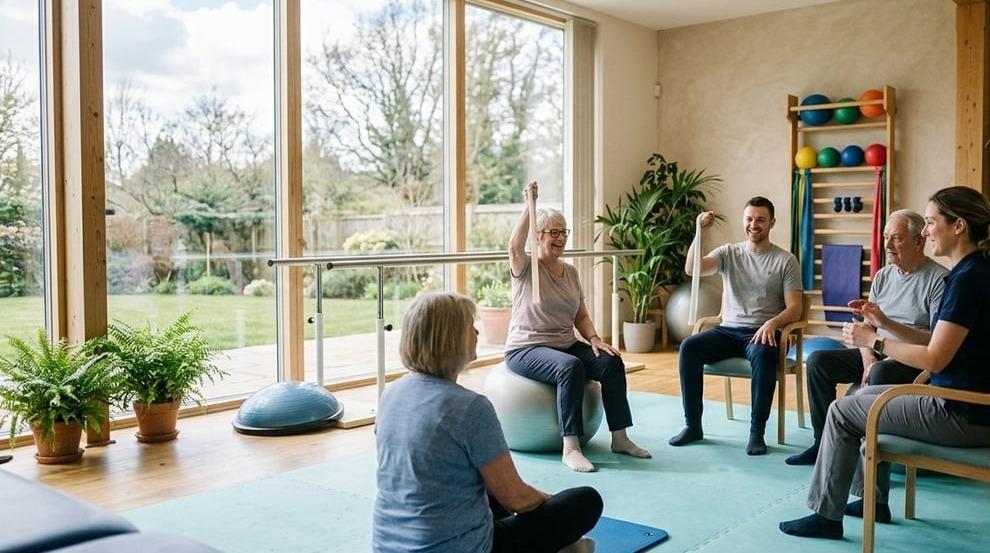
The middle of the day is usually set aside for therapy. Physical therapy works on strength, balance, walking or wheelchair skills, and safe transfers. Occupational therapy focuses on everyday tasks such as dressing, bathing, eating, and simple meal preparation. Speech therapy addresses communication and, when needed, swallowing. Cognitive therapy works on memory, attention, planning, and problem solving.
Meals give people a chance to use what they're practicing: reaching, cutting food, pacing a conversation, or remembering what comes next. Short breaks between sessions are also important, since fatigue can affect participation in therapy after a brain or spinal cord injury.
Afternoons may include recreational therapy, which brings enjoyment back into recovery through leisure activities, games, and group activities that also build social and thinking skills. Case managers work behind the scenes to coordinate care, keep in touch with outside providers, and plan ahead for discharge.
Evenings are quieter. People have time to rest, wind down, and settle into a consistent bedtime routine, which supports better sleep and a better start the next morning.
Recovery after a serious injury is emotional as well as physical. Frustration, sadness, worry about the future, and moments of real hope can all show up in the same week. A consistent routine gives people some stability while they work through those feelings.
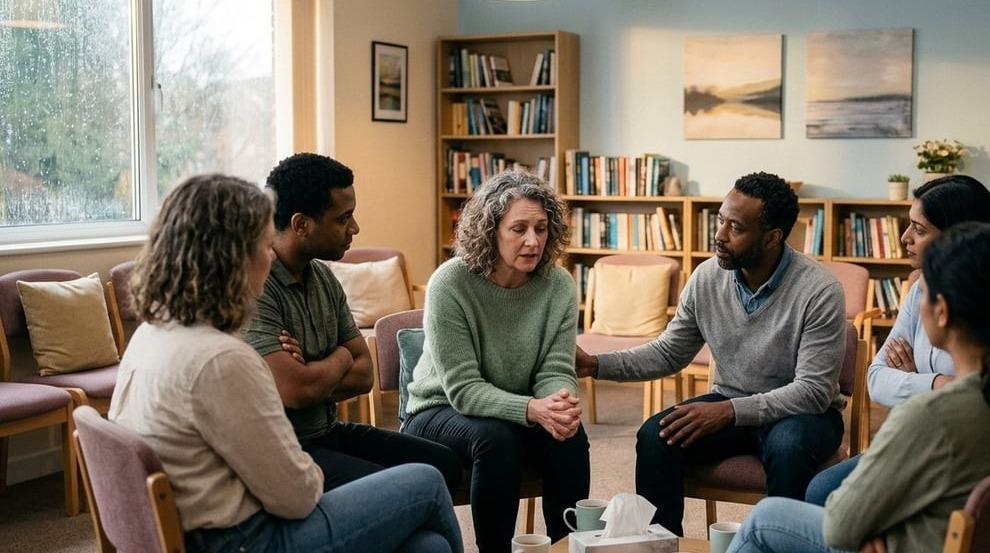
Group activities can help people feel less alone, since they're spending time with others who understand what recovery is like. Staff encourage people to talk about how they're doing, and the care team keeps emotional well-being in view alongside physical goals.
NeuLife Rehabilitation of Louisiana is a CARF-accredited facility at 41238 Adams Rd, Hammond, LA 70403, and part of one of the largest residential post-acute rehab programs in the Southeast. CARF, the Commission on Accreditation of Rehabilitation Facilities, reviews programs against its standards for care and operations. You can read more on NeuLife's accreditations page.
Every plan is individualized. The team looks at each person's injury, abilities, and goals, then builds a schedule that may include physical therapy, occupational therapy, speech therapy, cognitive therapy, recreational therapy, nursing care, case management, and community reintegration. This focus on community reintegration helps prepare patients for daily life outside the facility.
Learn more about NeuLife's brain injury rehabilitation and spinal cord injury rehabilitation programs.
The routine exists to help people get back to the things they care about. Goals are set for each person, but common ones include:
Progress is different for everyone, and no program can promise a specific outcome or timeline. What a well-planned day offers is regular practice toward each person's own goals.
Seeing a typical day in residential rehab up close can make the decision easier. If you're exploring options after a brain or spinal cord injury, the NeuLife team can show you the facility and answer questions about daily routines, therapy, and care planning.
Call NeuLife Rehabilitation of Louisiana at 844-393-5433, visit neuliferehabla.com, or schedule a tour of the facility at 41238 Adams Rd, Hammond, LA 70403.
Q: What does a typical schedule look like at NeuLife Rehabilitation of Louisiana?
A: Most days include morning nursing care and personal routines, therapy sessions through the middle of the day, meals, rest breaks, recreational activities, and quieter evenings. The exact schedule depends on each person's care plan.
Q: What types of therapy are offered?
A: Care can include physical therapy, occupational therapy, speech therapy, cognitive therapy, and recreational therapy, along with nursing care, case management, and community reintegration.
Q: How can someone prepare for admission?
A: Call the NeuLife team at 844-393-5433 to talk about the person's needs, what records to gather, and what to bring. Thinking ahead about personal goals for rehabilitation can also help.
NeuLife offers residential rehab with care 24 hours a day at our CARF-accredited facility in Hammond. Families from across Louisiana can learn more about our residential rehabilitation program or see the areas we serve.
Medical disclaimer: This article is for informational purposes only and does not constitute medical advice. Always consult a qualified healthcare provider regarding diagnosis or treatment.


We know that choosing the next step in your recovery from a Brain Injury or Spinal Cord Injury is complex. Together, we can help you take the next step.
Contact us with any questions today.