Transitioning from a spinal cord injury (SCI) rehab facility to home can feel both exciting and challenging. Patients may gain newfound independence in therapy, but leaving the structured environment of a rehab center introduces new responsibilities, adjustments, and potential hurdles.
At NeuLife Rehab of Louisiana, we focus on preparing patients and families for a seamless transition, ensuring that long-term recovery continues safely and effectively at home. With proper planning, ongoing therapy, and the right support system, patients can maintain progress, regain independence, and thrive in their daily lives
A smooth move from rehab facility to home begins with careful planning:
Why it matters: Planning ahead reduces stress, prevents injuries, and helps patients feel confident and empowered as they adjust to home life.
Recovery doesn’t stop at the facility’s doors. Ongoing therapy at home is critical for maintaining and improving strength, mobility, and functionality:
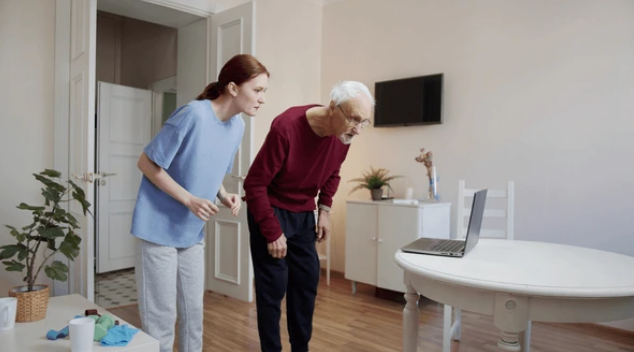
Long-term goals provide motivation, direction, and measurable outcomes:
At NeuLife Rehab of Louisiana, therapists work with patients to create personalized, achievable goals, ensuring recovery is realistic, structured, and empowering.
Caregivers play a vital role in long-term recovery:
Active family involvement ensures that the patient feels supported, safe, and confident throughout the transition and beyond.
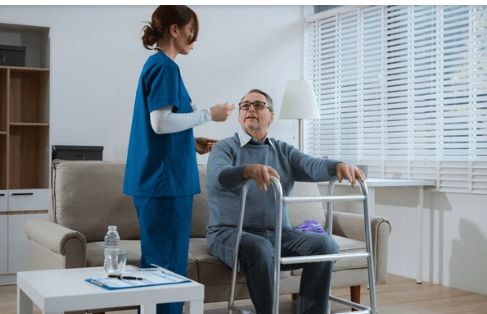
Transitioning from a spinal cord injury rehab facility to home is a critical stage in long-term recovery. With careful planning, ongoing therapy, goal-setting, and strong support from family and professionals, patients can continue to regain independence, improve mobility, and thrive in everyday life.
At NeuLife Rehab of Louisiana, we provide personalized, comprehensive programs to guide patients and families through this transition, ensuring safety, progress, and lasting results.
Take the next step in your recovery journey—partner with NeuLife Rehab of Louisiana to make the move from facility to home a successful and empowering experience.
Learn more about long-term spinal cord injury rehabilitation at NeuLife Rehab of Louisiana
NeuLife treats traumatic and non-traumatic spinal cord injuries at our facility in Hammond. Families from across Louisiana can learn more about our spinal cord injury rehabilitation program or see the areas we serve.

We know that choosing the next step in your recovery from a Brain Injury or Spinal Cord Injury is complex. Together, we can help you take the next step.
Contact us with any questions today.