Community re-integration is a crucial part of the recovery process for individuals recovering from traumatic brain injuries (TBI) or spinal cord injuries (SCI). Once discharged from a rehabilitation facility, many patients face the challenge of returning to everyday life. This transition can be overwhelming due to a variety of factors, including physical limitations, cognitive challenges, and emotional adjustments. Each individual's journey is unique, often hinged on their previous lifestyle, support system, and the extent of their injuries.
At NeuLife Rehabilitation of Louisiana, we recognize the importance of fostering independence and maximizing the potential for reintegration into the community. Our approach emphasizes the development of essential skills necessary for patients to successfully navigate their environments, contribute to their families, and participate in community activities. For instance, we focus on building not just physical strength but also cognitive and emotional resilience. Our programs incorporate real-life scenarios where patients practice their skills, such as going to a grocery store or attending a social gathering.
This return to daily life isn’t just a physical journey; it involves emotional and psychological readiness as well. The focus is not only on rehabilitation from the injury itself but also on equipping patients with the tools they need to thrive outside the clinical setting. Emphasizing activities that patients once enjoyed, like art, music, or sports, can enhance motivation and pave the way for a successful reintegration.
Injuries such as TBI or SCI can significantly alter the way individuals engage with their daily lives. Common everyday activities like cooking, driving, or even socializing—may become challenging or impossible without support. These changes can lead to feelings of frustration, anxiety, and even isolation. Many patients report feeling disconnected from friends and family, which can exacerbate their difficulties in re-establishing normalcy.
Patients may struggle with cognitive deficits that affect communication, problem-solving, and memory, making it difficult to conduct routine tasks. For example, simple activities like managing finances or remembering appointments can become monumental challenges. Physical limitations can hinder mobility, requiring adaptations in the home or community. Accommodations such as installing grab bars, wheelchair ramps, or using adaptive cooking tools become essential for safety and functionality. All these factors contribute to a loss of independence that many patients yearn to regain.
Through a structured rehabilitation process, we help our patients address these challenges. NeuLife focuses on restoring not just physical function, but also emotional health and social connectivity, which are vital for a fulfilling life. Our programs include group activities that encourage socialization, fostering connections with others who have experienced similar challenges, which can be incredibly beneficial in reducing feelings of isolation.
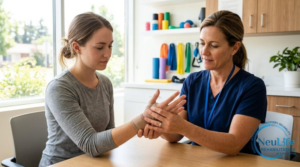
The journey to recovery following a TBI or SCI is rarely linear. Patients may experience various phases that can ebb and flow between progress and setbacks. Understanding these stages can help manage expectations and foster resilience. Many patients find comfort in knowing that their feelings of frustration and confusion are normal, and that recovery is a gradual process.
Initially, patients may go through a phase of adjustment where they come to terms with the extent of their injuries. This can be emotionally taxing and often requires psychological support. The feelings of loss and the grieving process for their previous life can be overwhelming. After this, rehabilitation begins in earnest, focusing on physical, cognitive, and emotional recovery. Here, establishing small, achievable goals can build momentum and confidence. As patients advance, they may be ready to begin community reintegration, which involves practicing skills necessary for real-world living. Techniques such as role-playing various social situations can be helpful during this phase.
Despite the ups and downs, each phase provides valuable learning experiences that contribute to a patient's overall resilience and self-efficacy. With ongoing support from the dedicated staff at NeuLife, patients can navigate this challenging terrain more confidently. Frequent assessments help to tailor programs that evolve with the patients’ changing needs, ensuring that they are adequately supported at each stage of their recovery journey.
At NeuLife Rehabilitation of Louisiana, our individualized rehabilitation programs are designed to meet the unique needs of each patient. We understand that seamless recovery requires a personalized approach that takes into account each individual's experiences, challenges, and goals. Our team conducts thorough evaluations to create a comprehensive plan that addresses all aspects of a patient's rehabilitation.
Services offered include a range of therapies, such as physical therapy, occupational therapy, speech-language therapy, and cognitive rehabilitation. Through collaboration and communication, our team works closely with patients and families to ensure every aspect of care aligns with the goals of successful reintegration into society.

NeuLife Rehabilitation of Louisiana stands out due to our commitment to community re-integration as a central aspect of rehabilitation. Our CARF-accredited program emphasizes quality care and positive outcomes through personalized treatment plans tailored to the specific needs of each patient. Our focus goes beyond just surviving but aims for a thriving post-recovery experience.
We believe every patient should have the opportunity to achieve their goals, whether it's returning to work, becoming active in family life, or engaging in community activities. Our team offers a compassionate environment where individuals can safely explore their capabilities and build their self-confidence. Inclusion of family meetings creates a supportive network, providing patients with reassurance and motivation.
This specialized focus on personalized care ensures that patients receive the attention and support necessary to realize their potential and live fulfilling lives. Community partnerships enhance our offerings, allowing us to create pathways for patients to engage with their surroundings effectively.
As part of the community re-integration process, we aim to help patients set realistic and achievable goals for independence. Some common goals include:
These goals are not just aspirations; they serve as tangible milestones motivating patients throughout their rehabilitation journey. Accomplishing these targets helps restore a sense of normalcy and confidence in their capabilities. Additionally, celebrating these milestones within groups can foster a sense of accomplishment and shared success.
At NeuLife Rehabilitation of Louisiana, we provide comprehensive support to individuals recovering from traumatic brain injuries and spinal cord injuries. Our focus on community re-integration and personalized care aims to empower patients on their journey to independence. Each step of the way, we prioritize patient-centered practices that affirm their dignity while facilitating healing.
Recovering from an injury is a process filled with challenges, but with the right support, it is possible to overcome these obstacles and return to a fulfilling life. Our success stories highlight the transformative impact of our strategies and how individuals have regained their lives after significant injuries. If you are seeking a compassionate and expert-led rehabilitation partner, we invite you to take the next step.
Schedule a tour today and see how our services can help you or your loved one. Call us at 844-393-5433 or visit our website at neuliferehabla.com.
Q: What is community re-integration?
A: Community re-integration is the process through which individuals recovering from injuries or illnesses learn to navigate their daily lives and engage with their communities again. It encompasses a range of activities aimed at restoring independence.
Q: How can I prepare for community re-integration after a TBI or SCI?
A: Preparation involves working with rehabilitation specialists to develop skills necessary for daily living, emotional adjustment, and physical mobility. This may include practicing daily tasks in a safe environment.
Q: What types of therapies are involved in community re-integration?
A: Therapies may include physical, occupational, cognitive, speech, and recreational therapy to support physical, emotional, and social recovery. These therapies are often integrated to reinforce learning.
Q: How long does community re-integration take?
A: The timeline varies greatly among individuals depending on their condition and goals, making every recovery path unique. Individual factors, such as age and support available, can also influence the duration.
Q: Can family members participate in the rehabilitation process?
A: Yes, family members are often encouraged to be involved in the rehabilitation process, providing support and understanding as patients transition back to everyday life. This involvement can significantly enhance a patient’s motivation and recovery.
NeuLife offers residential rehab with care 24 hours a day at our CARF-accredited facility in Hammond. Families from across Louisiana can learn more about our residential rehabilitation program or see the areas we serve.

We know that choosing the next step in your recovery from a Brain Injury or Spinal Cord Injury is complex. Together, we can help you take the next step.
Contact us with any questions today.