Achieving mastery in Activities of Daily Living (ADLs) is crucial for individuals recovering from a traumatic brain injury or spinal cord injury. ADLs encompass everyday tasks such as bathing, dressing, eating, and managing medication. Mastery of these skills significantly enhances independence and quality of life, enabling patients to engage more fully in their communities. This engagement is vital, as participating in daily activities fosters a sense of belonging and purpose, which are essential for emotional well-being. For example, individuals who feel capable of completing daily tasks can experience improved self-esteem and a renewed sense of vitality.
ADL mastery does not occur overnight. It is a gradual process that requires patience, practice, and personalized strategies tailored to individual needs. Recognizing that each patient is unique, NeuLife Rehabilitation focuses on developing customized rehabilitation plans that foster skill-building in a supportive environment. These plans often include one-on-one training sessions and group activities that allow for social interaction, thereby helping to recreate a normal social environment for the patients. These activities not only assist in learning the mechanics of tasks but also build a support network among peers who share similar challenges.
The journey toward ADL mastery also involves understanding the physical, cognitive, and emotional challenges patients may face. Each of these factors can affect how a person approaches daily tasks, making it essential to address them comprehensively during rehabilitation. For instance, physical therapy may improve mobility and strength, while cognitive therapy could enhance memory and problem-solving skills, leading to a more holistic approach toward achieving independence. Engaging family members in the process can also create a more conducive environment for recovery, as they learn how to support their loved ones effectively on this journey.
Injuries to the brain or spinal cord can disrupt an individual’s ability to perform daily activities. For many, simple tasks like getting dressed or cooking can become daunting challenges. Such obstacles can lead to feelings of frustration and helplessness, reinforcing the importance of targeted rehabilitation. The psychological impact of these injuries can also extend beyond the individual to family members, who often need to adapt to new caregiving roles. This transition can be emotionally challenging for both patients and their loved ones, necessitating additional support.
For example, cognitive impairments may influence memory and attention, making it difficult to remember the steps necessary to complete basic tasks. A patient might struggle to recall the sequence of actions needed to brush their teeth, a task most people accomplish without a second thought. Similarly, physical limitations can hinder mobility and coordination, affecting tasks such as walking or using utensils. In some cases, patients may require adaptive devices—like modified forks or dressing aids—to regain their independence. Utilizing such devices can significantly improve a patient’s ability to manage daily routines and foster a sense of accomplishment.
NeuLife Rehabilitation of Louisana recognizes these challenges and strives to equip patients with the skills and confidence needed to overcome them. By focusing on achievable, real-life goals, rehabilitation can help individuals regain independence and reintegrate into their communities. A crucial component of this process is the consistent tracking of progress, allowing both patients and therapists to celebrate small victories along the way, which can greatly enhance motivation and self-esteem. Positive reinforcement not only uplifts the patient’s spirit but also cements the progress made during rehabilitation.
The recovery journey for individuals with traumatic brain injuries or spinal cord injuries often unfolds in phases, each presenting unique challenges. Initially, patients may experience physical limitations and cognitive deficits that impede their ability to perform ADLs. Emotional challenges, such as frustration and anxiety, can further complicate recovery, as patients grapple with new realities of their capabilities. Understanding these hurdles is essential for both patients and caregivers during the rehabilitation process.
As patients progress through recovery, they may start re-learning skills in a structured environment, often under the guidance of a trained rehabilitation team. This phase is vital, as it builds confidence and prepares them for real-life application. For example, once a patient can demonstrate mobility skills with physical therapy, they may begin practicing basic cooking skills in a controlled kitchen environment, which not only tests their physical capabilities but also their cognitive recall of cooking procedures. Ongoing support, patience, and encouragement play crucial roles in navigating these challenges, reminding patients they are not alone in their journey.
The ultimate goal is not just to regain abilities but to enhance emotional resilience and foster a sense of normalcy that is essential for independence and community engagement. This can also involve setting milestones that are celebrated by both patients and families, reinforcing a sense of achievement and forward momentum in recovery. Each milestone achieved is a testament to the patient’s hard work and determination, serving as a beacon of hope for continued progress.
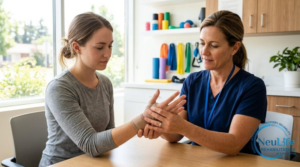
At NeuLife Rehabilitation of Louisiana, our individualized rehabilitation programs are designed specifically to address each patient’s unique needs. With various therapies available—including physical, occupational, speech, and cognitive therapy—our approach ensures comprehensive treatment that spans multiple dimensions of recovery. These diverse therapies are integrated into a cohesive plan that evolves as the patient progresses, ensuring that their changing needs are met. For example, as a patient improves their physical strength, therapy may shift focus to more complex tasks that incorporate both physical and cognitive skills.
Our team works closely with each patient to develop a tailored care plan, allowing for maximum focus on their specific rehabilitation goals. For instance, an occupational therapist might work on improving fine motor skills for a patient struggling with dressing themselves, while a speech therapist could assist with communication challenges. Skilled therapists employ adaptive techniques and assistive devices when necessary to promote increased engagement in daily activities. This multi-faceted approach not only targets physical rehabilitation but also addresses cognitive and emotional aspects of recovery. Additionally, the importance of family involvement in therapy sessions can’t be understated, as it may help patients feel more supported and understood.
Furthermore, our commitment to community reintegration prepares patients for life outside our facility, emphasizing the importance of practicing skills in real-world settings. This can include organizing field trips to grocery stores or community centers, enabling patients to rehearse skills in a meaningful context. Such practical experiences not only boost confidence but also ensure that patients can navigate similar environments in their everyday lives after rehabilitation. The ultimate goal is to ensure that when patients leave our facility, they are well-equipped to manage their daily lives confidently.
NeuLife Rehabilitation of Louisiana stands out for its commitment to excellence in post-acute rehabilitation. Our CARF accreditation reflects our dedication to maintaining high standards of patient care, fostering a supportive and healing environment. This accreditation is not merely a badge of honor; it also serves as a promise to our patients that they are receiving care that meets rigorous standards of quality and efficiency. Through continuous improvement and feedback, we strive to evolve our practices, ensuring they align with the latest advancements in rehabilitation.
Each patient receives an individualized care plan that specifically targets their rehabilitation needs. This plan might include a combination of therapies designed to foster progress across multiple domains—physical, cognitive, and emotional. Our focus on community reintegration means we not only assist in regaining independence but also help our patients transition smoothly back into their daily lives and communities. This can be particularly significant for patients who previously enjoyed an active lifestyle, allowing them to re-establish connections and engage fully in society. Engaging in hobbies or volunteer work post-rehabilitation can greatly enhance their sense of purpose.
Additionally, our team of compassionate healthcare professionals understands the emotional and physical challenges that come with recovery. By fostering a culture of hope and support, we empower patients on their journey toward independence. Regular family meetings and involvement in the recovery process also create a supportive network that can be crucial for long-term success, ensuring that patients do not feel alone as they navigate through this transformative period. This collaborative approach often leads to more favorable outcomes, as patients feel encouraged and empowered through their support systems.

Real-life independence goals can vary based on individual circumstances, but several common objectives emerge during rehabilitation:
Working toward these goals during rehabilitation can pave the way for an enriched and fulfilling life. Each achievement in these areas not only enhances the individual’s quality of life but also contributes to their sense of identity and confidence, establishing a foundation for ongoing growth and independence.
Evolving toward mastery of Activities of Daily Living doesn’t have to feel daunting. At NeuLife Rehabilitation, we understand the intricate journey of recovery and are dedicated to providing the tools and support necessary for achieving independence. We embrace the notion of small steps leading to great progress, where each patient’s journey is celebrated for its uniqueness. Sharing success stories and experiences can also inspire those in similar situations, reinforcing the belief that recovery is possible.
If you or a loved one are ready to begin this transformative journey, don’t hesitate to reach out. Our team is here to guide you every step of the way. Schedule a tour or call us today to learn more about our personalized rehabilitation programs. Your path toward regaining independence starts with a single step, and we look forward to walking this journey with you, committed to ensuring that your goals become a reality.
Q: What are Activities of Daily Living (ADLs)?
A: Activities of Daily Living (ADLs) are basic tasks necessary for self-care, including bathing, dressing, eating, and toileting. These activities are foundational for maintaining one's health and overall well-being.
Q: How long does ADL training typically take?
A: The duration of ADL training varies depending on individual circumstances and recovery progress, often requiring weeks to months of guided practice. Factors such as the severity of the injury and prior independence levels significantly impact this timeline.
Q: What therapies are included in the rehabilitation program at NeuLife?
A: NeuLife offers a range of therapies, including physical, occupational, speech, and cognitive therapy tailored to each patient's needs, ensuring comprehensive care. Each therapy is designed to address specific challenges to promote holistic recovery.
Q: Can you guarantee recovery outcomes?
A: While we focus on personalized care and aim to maximize independence, we cannot guarantee specific recovery outcomes as these vary by individual, reflecting their unique journey. Our commitment lies in providing the best support possible to enhance recovery efforts.
NeuLife's occupational therapists help people relearn daily tasks after brain injury, spinal cord injury and stroke. Families from across Louisiana can learn more about our occupational therapy program or see the areas we serve.

We know that choosing the next step in your recovery from a Brain Injury or Spinal Cord Injury is complex. Together, we can help you take the next step.
Contact us with any questions today.